
Menu
Designing a Structural Concrete Slab for Seattle
Concrete Slab Seattle
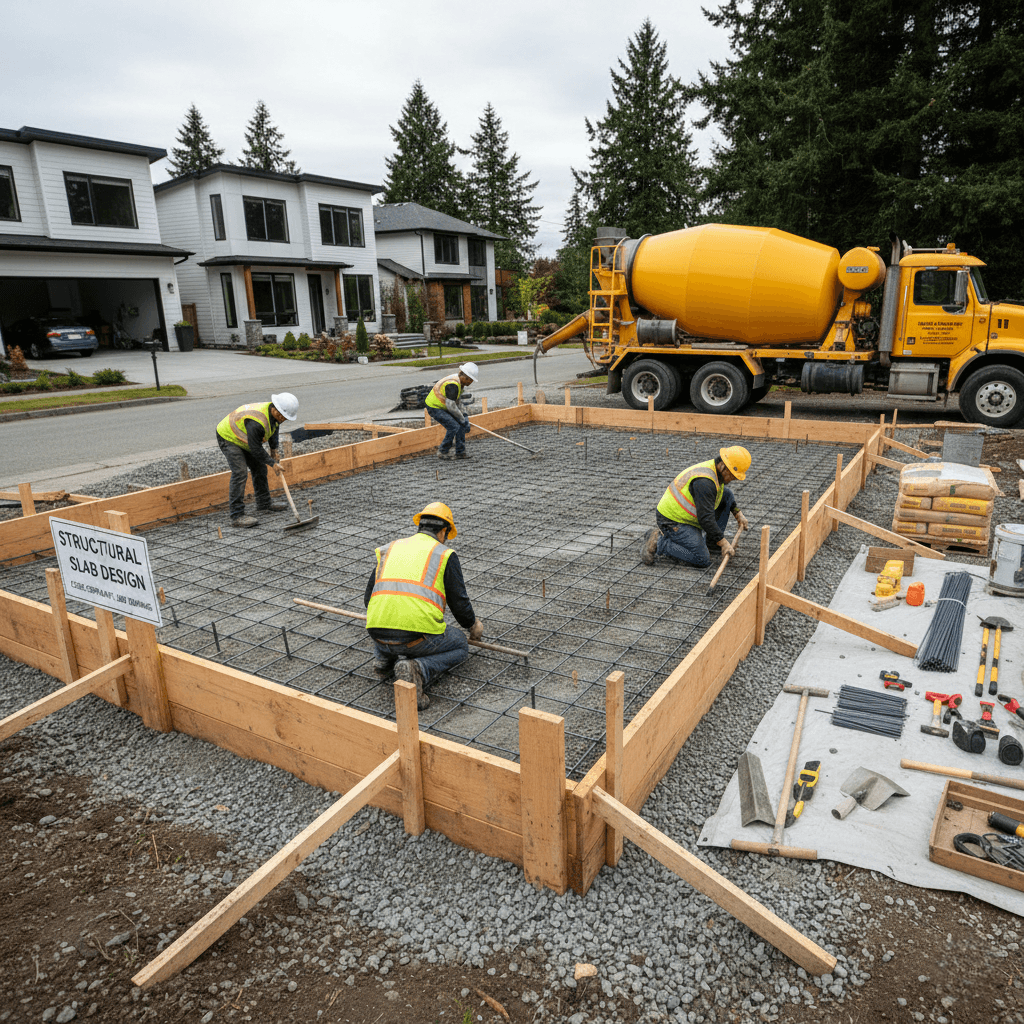
Designing a structural concrete slab in Seattle requires careful attention to local building codes, soil conditions, and load-bearing requirements. Whether you’re constructing a new home, garage, or outdoor living space, a properly engineered slab ensures long-term stability and safety. Seattle’s unique climate and seismic activity add layers of complexity, making it essential to follow best practices and work with experienced professionals. This guide will walk you through the key considerations for designing a concrete slab that meets Seattle’s standards and stands the test of time.
Understanding Seattle’s Building Codes
Seattle’s building codes outline the required slab thickness, reinforcement, and load capacity. For residential work, slabs must handle both live loads like vehicles and dead loads such as structural weight. The IRC and local amendments offer guidance. However, you should still consult a structural engineer or the Seattle Department of Construction and Inspections to confirm compliance. Otherwise, you may face expensive repairs or safety risks later.Assessing Soil Conditions and Site Preparation
Your slab’s stability starts with the soil. Seattle’s soils vary widely, which affects drainage and settlement. First, run a soil test to learn its bearing capacity and how much it expands or contracts. Then grade the site, compact the subgrade, and add a gravel base to prevent shifting and cracking. In poor soil conditions, you may need a thicker slab or extra reinforcement to maintain strength.Determining Slab Thickness and Reinforcement
Your slab’s purpose determines its thickness. A typical Seattle garage slab needs at least 4 inches of concrete. Heavier loads, like RVs, often require 6 inches or more. Reinforcement such as rebar or wire mesh increases tensile strength and reduces cracking. Since Seattle sits in a seismic zone, proper reinforcement matters even more. Work with your contractor to choose a slab thickness and reinforcement plan that fits your project.Incorporating Proper Drainage
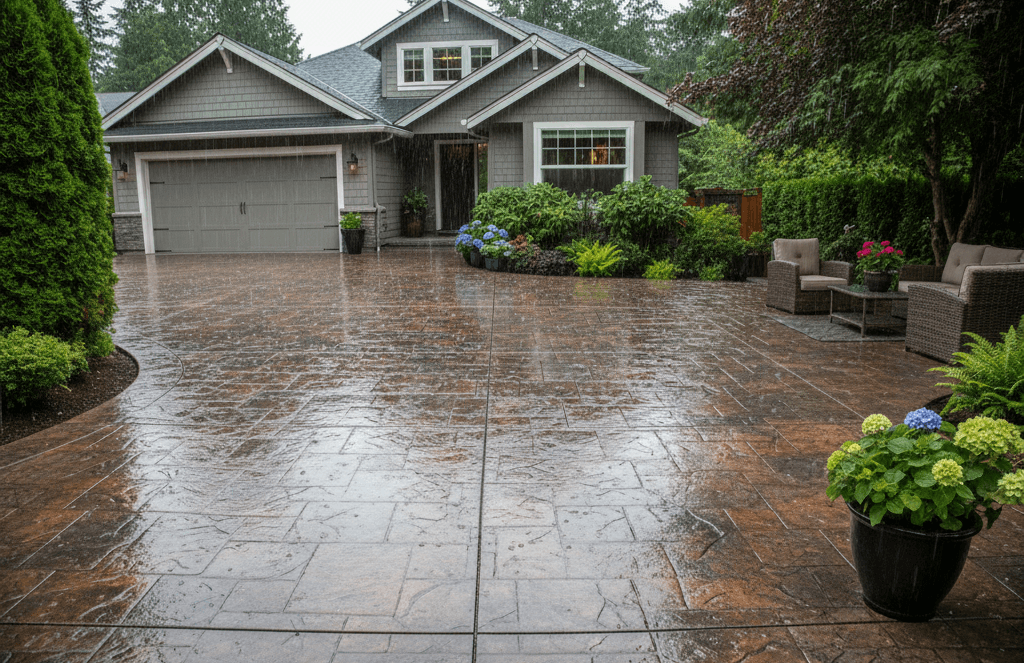
Seattle’s rain makes drainage essential. Poor drainage creates pooling, erosion, and long-term structural damage. To avoid this, design the slab with a slight slope—usually 1/4 inch per foot—so water flows away. You can also install a French drain or perimeter drain to protect the slab and foundation. For outdoor slabs, add a vapor barrier beneath the concrete to block rising moisture.Choosing the Right Concrete Mix
Your concrete mix must stand up to Seattle’s wet weather. A 3,000-psi mix works for most residential slabs, but heavier loads or exposed aggregate surfaces may need higher strength. Air entrainment helps the slab resist freeze-thaw cycles. To find the best balance of durability and workability, discuss your project with a local concrete supplier.Addressing Seismic Considerations
Seattle’s seismic activity requires stronger slab design. Reinforcement and proper joint spacing help the slab handle ground movement. Control joints allow expansion and contraction without damaging the structure. To ensure full compliance, consult a structural engineer who can design the slab for both seismic safety and local code requirements.Working with a Local Concrete Contractor
Partnering with a Seattle-based concrete contractor ensures proper design and installation. Local experts know the region’s climate and soil challenges and can guide you through material choices, reinforcement, and finish options. They also manage permits and inspections, which gives you confidence that the project will meet all regulations.Final Inspections and Quality Assurance
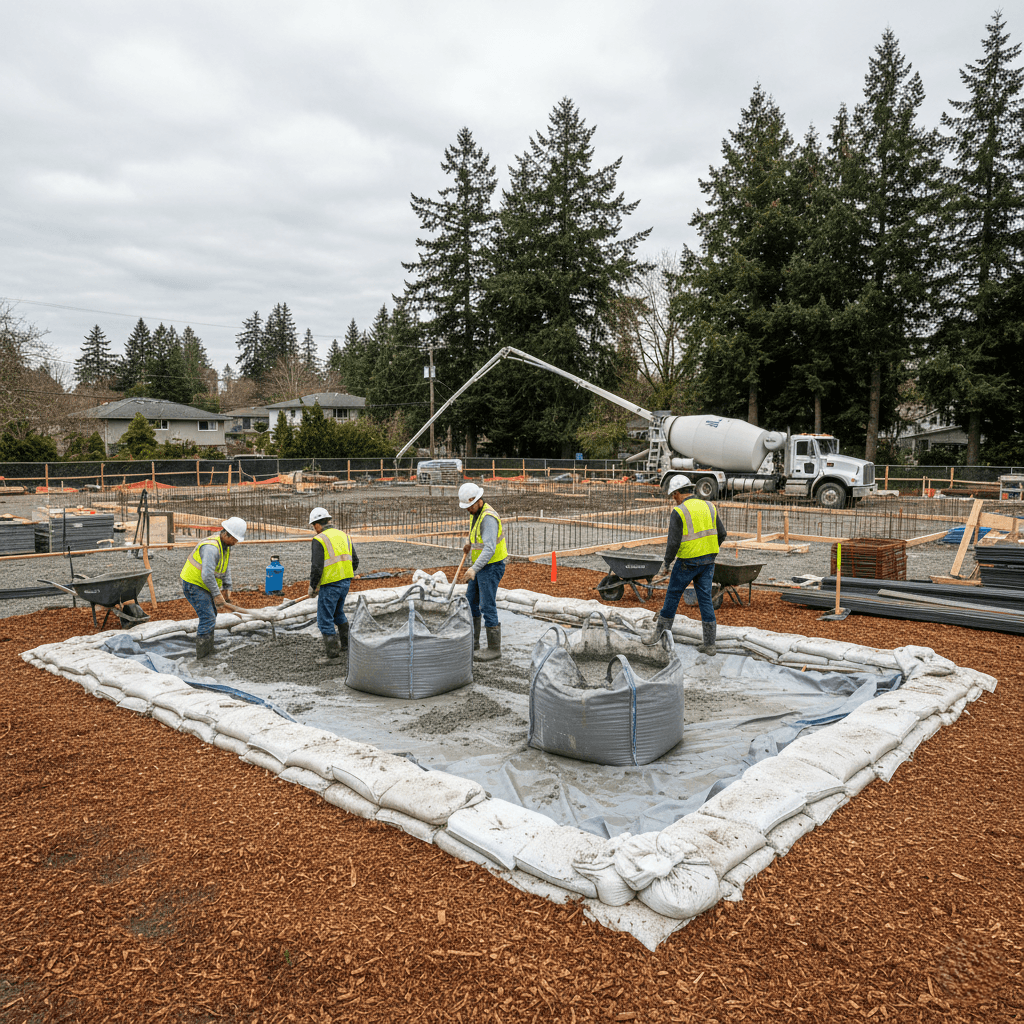
Before the pour, schedule a pre-pour inspection to confirm that preparation, formwork, and reinforcement meet code. After the pour, the final inspection verifies thickness, finish quality, and curing. Proper curing—usually at least seven days—helps the slab reach its full strength. Skipping these steps weakens the slab and shortens its lifespan.At King Concrete Seattle, we design and install structural slabs that meet Seattle’s strict load-bearing and seismic demands. Our team combines technical skill with real-world experience to create strong and durable foundations. Whether you’re building a home, garage, or outdoor space, we ensure your slab meets the highest standards and provides long-term stability.LATEST POSTS