
Menu
Proper Washout Steps When Pouring Concrete in Seattle
Pouring Concrete Seattle
Pouring concrete in Seattle comes with unique challenges, especially when it comes to managing washout—the process of cleaning concrete trucks, tools, and equipment after a pour. Without proper washout management, leftover concrete slurry can harm local waterways, violate environmental regulations, and create safety hazards on the job site. Seattle’s strict environmental standards and wet climate make responsible washout practices essential for contractors and homeowners alike. Understanding the importance of washout management helps ensure your project is compliant, eco-friendly, and safe for everyone involved.
Protecting Seattle’s Waterways and Environment
Concrete washout water contains high levels of alkaline and heavy metals that harm aquatic life. In Seattle, stormwater often flows directly into lakes, rivers, and Puget Sound. Improper washout disposal can pollute these waters and damage ecosystems. The city’s Department of Ecology enforces strict rules to prevent slurry from entering drains or natural water bodies. By managing washout responsibly, contractors protect Seattle’s ecosystems and avoid costly fines.Complying with Local Regulations
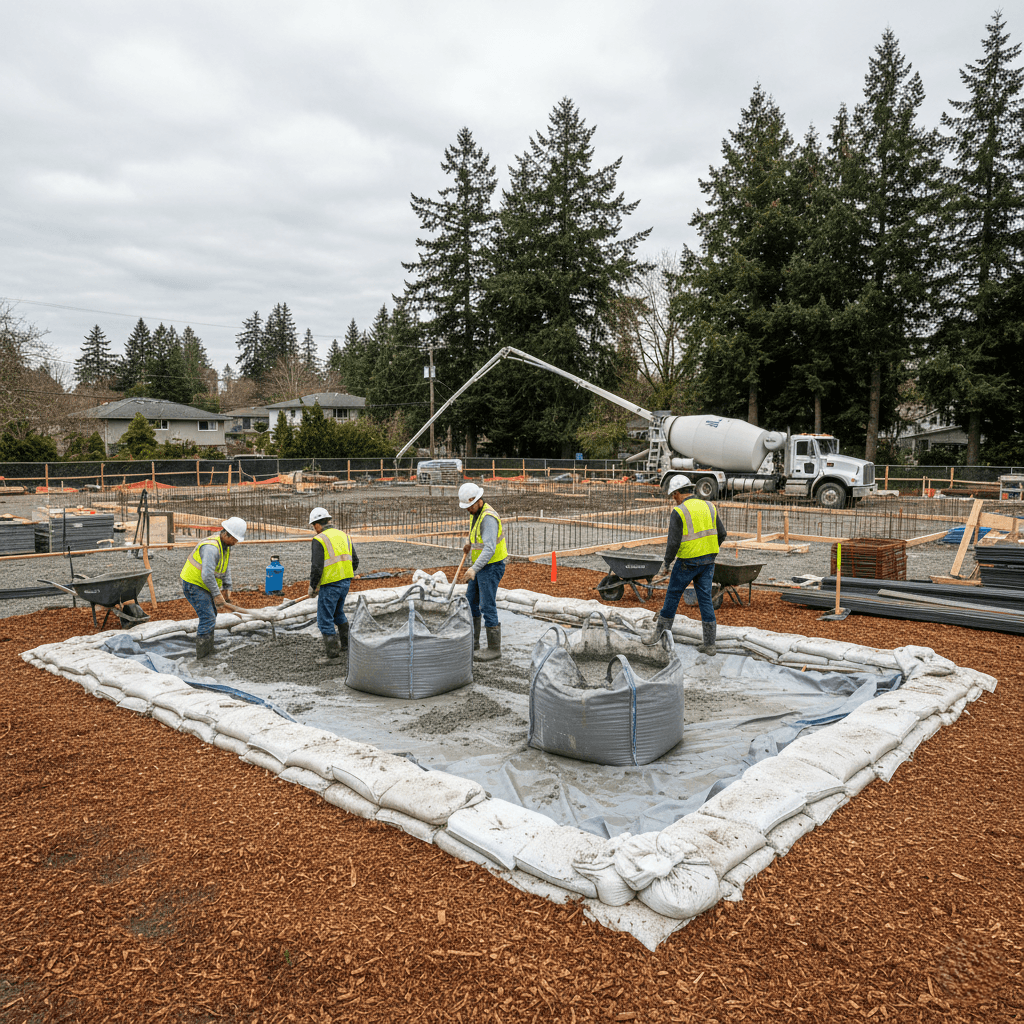
Seattle codes require concrete washout to be contained and disposed of safely. Contractors must use washout areas, berms, or washout bags to collect slurry before disposal. Ignoring these rules can lead to penalties, project delays, or legal issues. Working with a knowledgeable concrete contractor ensures compliance and keeps your project on track.Ensuring Job Site Safety
Unmanaged washout creates slippery, hazardous conditions. Wet slurry can coat tools, equipment, and walkways, increasing the risk of falls. Seattle’s damp climate worsens these hazards. Using containment systems and cleaning spills promptly keeps the site safe and organized. This practice also reduces liability for contractors and property owners.Preventing Damage to Infrastructure
Slurry entering storm drains can harden and block pipes, causing expensive repairs. Seattle’s aging infrastructure is vulnerable to these blockages, which can lead to backups and flooding. Proper containment protects the city’s drainage system and prevents public infrastructure issues. Contractors who manage washout proactively help the entire community.Best Practices for Concrete Washout Management
Effective washout management begins with planning. Contractors should create designated washout areas lined with plastic or washout bags to capture slurry. Using pH-neutralizing agents can treat washout water before disposal. Recycling water for future mixes or solidifying slurry for landfill disposal are sustainable options. These practices support Seattle’s green initiatives.Educating Workers and Homeowners
Proper washout management requires cooperation. Train crews to use washout bags, avoid hosing near drains, and clean spills quickly. Homeowners should understand these practices and ensure contractors follow them. Together, everyone helps protect the environment.Choosing a Responsible Concrete Contractor
Hiring a Seattle-based contractor who prioritizes washout management is crucial. Responsible contractors use modern containment systems, follow environmental rules, and provide disposal documentation. They stay current with regulations and best practices. Choosing a contractor committed to safety and sustainability protects both your investment and the community.At King Concrete Seattle, we take washout management seriously. We use advanced containment systems and follow all local regulations. Our approach ensures eco-friendly, compliant concrete projects that safeguard Seattle’s environment and infrastructure while delivering high-quality results.
LATEST POSTS